

 Back to Blogs
How Much PSI Do You Need to Pressure Wash Vinyl Siding?
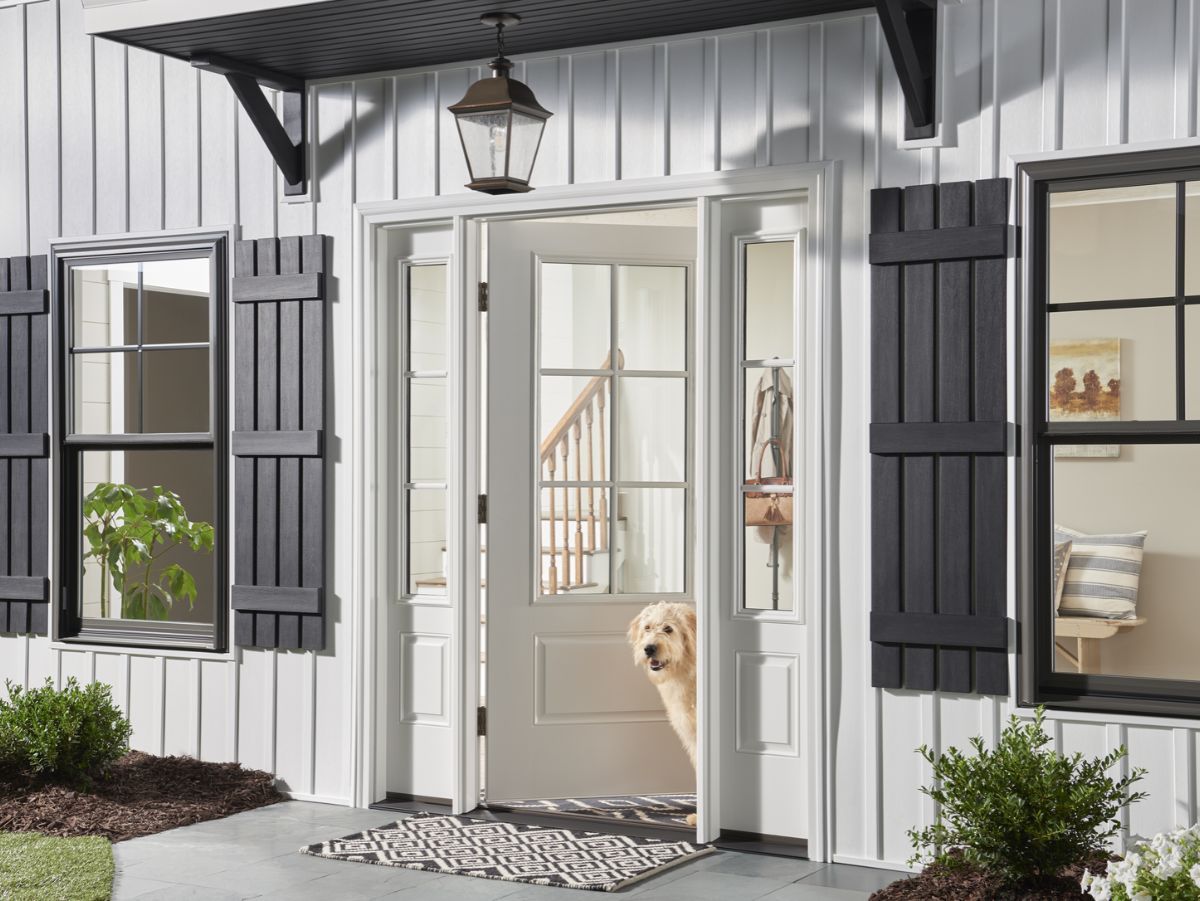
Power wash vinyl siding about once a year. Spring or early fall usually works best. In humid places like northwest Louisiana, a north-facing wall or a shady side of the house may need a light cleaning every six months, because mold and mildew grow faster where the sun doesn’t reach.
Washing once a year keeps dirt, pollen, and algae from building up. It also lets you check each panel for cracks or warping. Regular vinyl siding maintenance helps your exterior last longer. It can also push back an expensive siding replacement by years. Washing can do harm, though, if you use too much pressure.
Signs Your Siding Needs a Wash Now
You don’t have to wait for a set date. Clean sooner if you see:
- Green or black streaks, which usually mean algae or mildew
- A chalky film that comes off on your hand
- Pollen, cobweb, or dust buildup under the eaves
- Red clay or mud splashed along the bottom rows
- Dull color that hurts your home’s curb appeal
Factors That Change How Often You Wash
- Climate: Heat and humidity speed up organic growth.
- Shade and landscaping: Trees, shrubs, and sprinkler spray keep walls damp.
- Nearby roads or construction: Dust and exhaust settle on panels quickly.
- Siding color: Light colors show dirt early, and dark colors show chalking.
What PSI Is Best for Pressure Washing Vinyl Siding?
For most homes, 1,300 to 1,600 PSI is the safest range for pressure washing vinyl siding. That’s enough force to lift dirt and loosen mildew without denting, cracking, or forcing water behind the panels. Some cleaning guides allow up to about 2,000 PSI for heavy grime. Starting low and testing a small, hidden spot first is still the smartest approach.
The nozzle matters as much as the pressure. Follow these best practices:
- Use a 25- or 40-degree tip - A wide-angle nozzle spreads the water out and lowers the impact on any one spot.
- Never use a 0-degree (red) tip - It can cut through vinyl and strip trim.
- Keep the wand 2 to 3 feet away from the wall.
- Spray at a downward angle - Spraying upward drives water under the overlapping laps, which can lead to moisture intrusion, hidden rot, and insulation damage.
- Avoid hot water above 120°F - Vinyl can soften or warp under heat.
For stubborn mildew, many pros switch to soft washing. This method uses low pressure with a mild, siding-safe detergent that kills spores at the root. Since it relies on cleaning solution rather than force, it’s gentler and the results often last longer.
How Much PSI Do You Need to Pressure Wash Vinyl Siding?
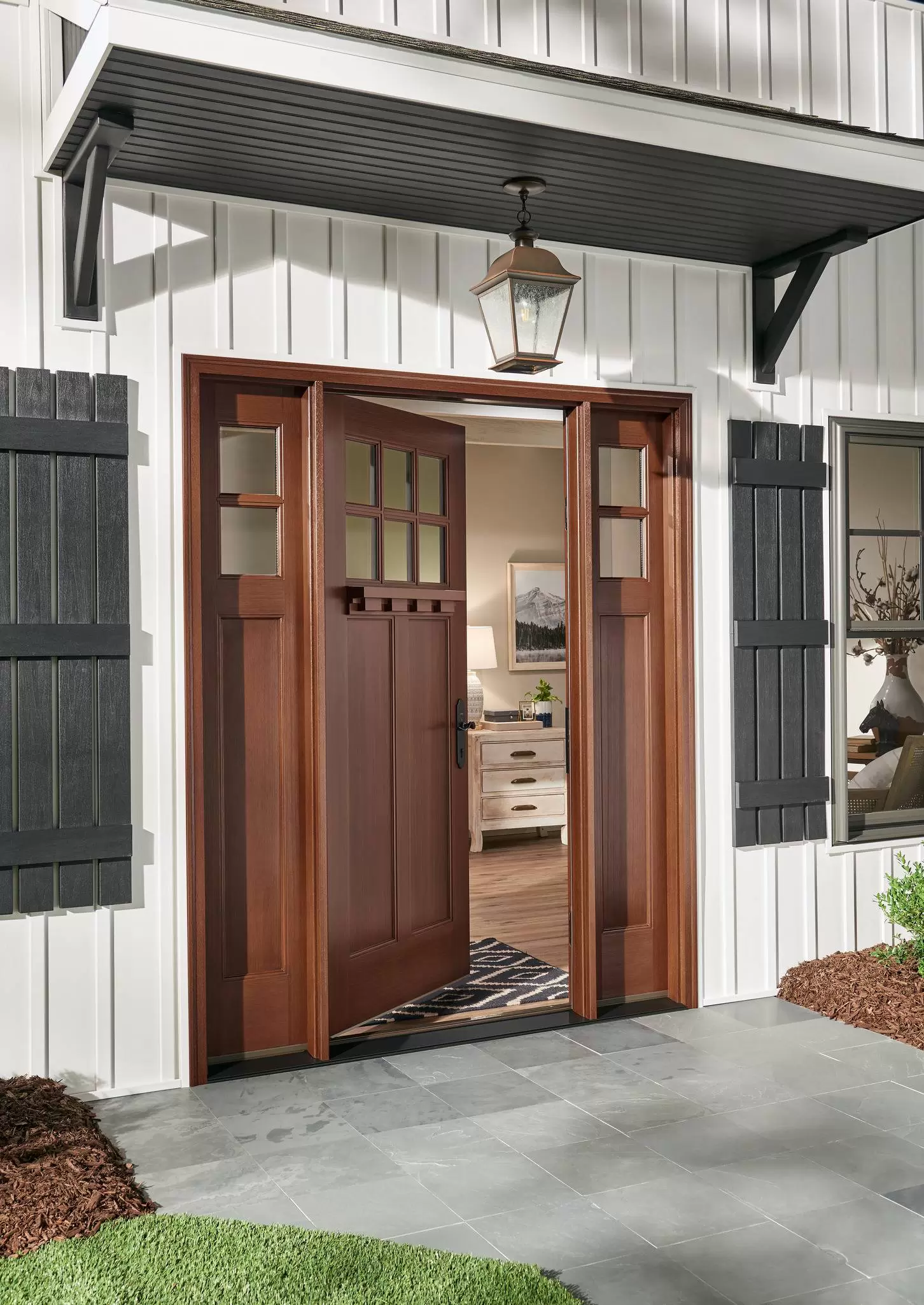
You need less PSI than most homeowners expect. A light-duty electric pressure washer rated at 1,300 to 2,000 PSI handles a typical single-story home. Gas units often run between 2,000 and 4,000 PSI. They aren’t necessary for vinyl, and they raise the risk of siding damage if you don’t use the right tip and keep your distance.
A Simple Step-by-Step Method
- Prep the area - Close windows, cover outdoor outlets and light fixtures, and wet nearby plants.
- Inspect first - Look for loose, cracked, or warped panels. Washing over damage makes it worse.
- Apply cleaner from the bottom up - This prevents streaking on dry surfaces.
- Let it dwell for 5 to 10 minutes - Don’t let it dry in direct sun.
- Rinse from the top down in smooth, overlapping strokes at a low-pressure setting.
- Check your work once the wall is dry and spot-treat any stains that remain.
When Washing Isn’t Enough
Sometimes stains come back fast, or the damage goes deeper than the surface. Watch for these warning signs:
- Warped panels or buckling, often from heat or past high-pressure cleaning
- Cracks, holes, or panels that rattle loose in the wind
- Severe fading that cleaning doesn’t fix
- Peeling paint or soft spots on the wall behind the siding
- Rising energy bills, which can point to poor insulation or gaps
When several of these show up together, siding replacement is usually the more cost-effective long-term fix. Modern vinyl and composite cladding products resist fading and moisture better than older panels. Many also come with insulated backing that helps with comfort and energy efficiency. Upgrading also gives you a chance to refresh your color and boost home value.
Bottom Line
For most homes, an annual wash at 1,300 to 1,600 PSI with a wide-angle nozzle is the right routine. In humid areas, add a mid-year touch-up on shaded walls. Gentle, regular cleaning protects your panels, keeps your home looking fresh, and helps you spot problems early. If cleaning no longer restores your exterior, an inspection can tell you whether siding replacement is the smarter investment.
For siding replacement in Shreveport, Bossier City, and across northwest Louisiana, Window World of Northwest LA has been helping local homeowners upgrade their exteriors since 2007.
Frequently Asked Questions
-
Clean vinyl siding once a year. In humid climates or on heavily shaded walls, clean every six months.
-
Yes. Too much PSI, a narrow tip, or spraying upward can crack panels or push water behind them.
-
Use a 25- or 40-degree tip. It cleans well while spreading out the pressure.
-
For mold, mildew, and algae, soft washing is usually safer and lasts longer because it kills growth with a cleaning solution instead of force.
-
Yes. A soft-bristle brush, a garden hose, and a mix of water and mild detergent work well for light dirt.
-
Consider replacement when panels are cracked, warped, badly faded, or letting moisture into the walls.