

 Back to Blogs
Can Roof Replacement Lower Energy Bills?
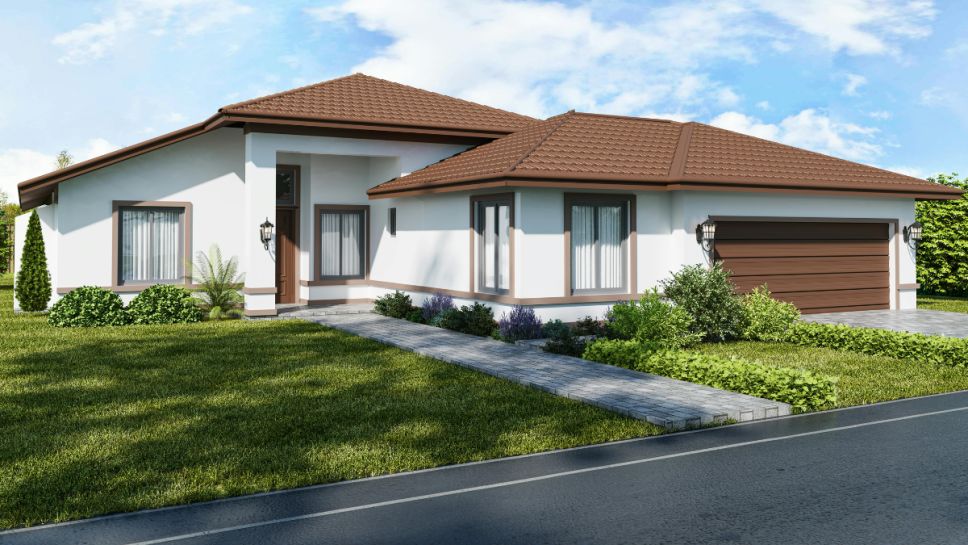
Can roof replacement lower energy bills? Many homeowners ask this question when monthly utility costs continue to rise despite careful thermostat use.
The roof plays a major role in how heat enters and escapes a home, making it a critical part of the overall building envelope.When roofing materials age, warp, or lose effectiveness, they allow unwanted heat transfer that forces heating and cooling systems to work harder.
Homeowners researching energy improvements through Window World of Northwest LA often discover that roofing performance is closely connected to other exterior systems, including insulation and siding.
Topics such as Can Siding Be Replaced Without Removing Insulation? frequently come up alongside roof replacement discussions because these upgrades work best when planned together.
How Roof Replacement Impacts Home Energy Efficiency
Roof replacement directly affects how efficiently a home maintains indoor temperatures. Older roofing materials often absorb and retain heat, transferring it into the attic and living spaces below.
A new roof can improve energy efficiency by:
- Reducing heat absorption during hot months
- Limiting heat loss during cooler seasons
- Supporting consistent attic temperatures
- Improving overall thermal resistance
Modern roofing systems are engineered to reflect more sunlight and limit heat transfer, helping maintain consistent indoor temperatures year-round. Understanding how these systems perform can also help homeowners recognize issues early, as outlined in Top Warning Signs Your Roof Is Failing in Northwest Louisiana.
Signs Your Roof Is Causing Energy Loss
Not all energy loss is immediately visible. In many cases, homeowners notice symptoms before identifying the roof as the source.
Common signs include:
- Uneven indoor temperatures between rooms
- Rising energy bills without changes in usage
- Hot or stuffy attic spaces
- HVAC systems running longer than expected
When these issues persist, roof replacement may be a necessary step toward restoring energy efficiency.
Energy-Efficient Roofing Materials Explained
Modern roofing materials are engineered with energy performance in mind. These materials reduce heat absorption and improve airflow.
Examples include:
- Cool roofing materials with high solar reflectance
- Shingles designed to release heat quickly
- Products tested for thermal resistance
Many energy efficient roofing options meet standards established by organizations such as Energy Star and the Cool Roof Rating Council, helping homeowners make informed choices.
Role of Roof Insulation and Ventilation in Energy Savings
Roof replacement works best when paired with proper insulation and ventilation. These elements work together to regulate heat flow.
Effective roof systems include:
- Adequate attic insulation to slow heat transfer
- Balanced ventilation to release trapped heat
- Continuous airflow from intake to exhaust
Without proper insulation and ventilation, even a new roof may struggle to deliver meaningful energy savings.
How Climate Conditions Affect Roofing Performance
Climate plays a major role in how roofing systems perform over time. Homes in Northwest LA experience warm temperatures that place extra strain on roofing materials. Understanding how Louisiana heat affects your roof can help you plan timely maintenance or replacement.
Key climate related considerations include:
- Prolonged sun exposure
- Seasonal temperature shifts
- Humidity levels affecting attic moisture
Roofing materials designed for regional conditions maintain their energy performance longer and help protect the home year round.
Roof Replacement Benefits for Homes in Different Regions
Energy savings from roof replacement vary depending on regional climate patterns. In warmer regions, reflective roofing materials can significantly reduce heat gain.
Benefits may include:
- Lower cooling costs during peak summer months
- Reduced indoor temperature swings
- Improved comfort in upper living areas
These benefits allow homeowners to notice clear reductions in energy consumption after a roof replacement, and they can learn more about our roofing solutions to better understand how these improvements are achieved.
Seasonal Energy Efficiency Improvements After Roof Replacement
Energy improvements are often most noticeable during extreme weather seasons.
Homeowners may experience:
- Cooler indoor temperatures during summer
- Less heat loss during cooler months
- Reduced reliance on HVAC systems
- More consistent indoor comfort
Over time, these seasonal improvements contribute to lower overall energy consumption.
Long-Term Energy Performance of Modern Roofing Systems
Modern roofing systems are built for durability and sustained performance. Unlike older materials, newer roofs maintain their reflective and insulating properties longer.
Long term benefits include:
- Stable energy efficiency over many years
- Reduced maintenance related energy losses
- Improved protection for attic insulation
When combined with other exterior upgrades, roof replacement supports a more efficient home envelope.
Conclusion
So, can roof replacement lower energy bills? In many cases, yes. A properly installed roof using energy efficient materials helps regulate heat transfer, supports insulation performance, and reduces strain on HVAC systems.
For homeowners in Northwest LA, roof replacement can be a valuable step toward long term energy savings and improved comfort.
Planning roof replacement alongside related exterior improvements allows homeowners to maximize results while protecting their investment.
Frequently Asked Questions
-
Yes. Modern roofing materials help stabilize attic and indoor temperatures, reducing hot and cold spots.
-
Proper ventilation allows heat to escape, preventing buildup that increases cooling costs.
-
Reflective and cool roofing materials are designed to limit heat absorption and improve efficiency.
-
Regional climate conditions determine how roofing materials handle heat, moisture, and seasonal changes.
-
Yes. By minimizing heat transfer, a new roof helps HVAC systems operate more efficiently.